This post may contain affiliate links, which means The Budgie Academy may receive a commission if you purchase through my link, at no extra cost to you. Read the full disclosure here.
Candles & Incense
Candles and incense, especially those made from paraffin wax, release soot and other toxins into the air that are dangerous to budgies and other pet birds. This is because birds have highly efficient respiratory systems that evolved to exchange materials rapidly with the air. Combined with their small body size, this makes them extremely sensitive to airborne toxins.
If you are looking to control odors in your home, air purifiers are the ideal addition. Bird feathers produce a dust that circulates in the air and can collect inside human lungs, resulting in a severe allergy or respiratory disease. Even though budgies are not powder down birds like cockatoos, there have been cases of severe disease from owning budgies1 or other single small parrots2.
If you want to add some bird-safe scents to your home, “simmer pots” can be a safe option. Gently boil bird-safe spices on a low heat to create a nice, subtle smell in the room. Make sure to turn off the stove before the water is completely gone that the stove has been turned off. There are many creative and wonderful smelling recipes for simmer pots online!

Cigarettes
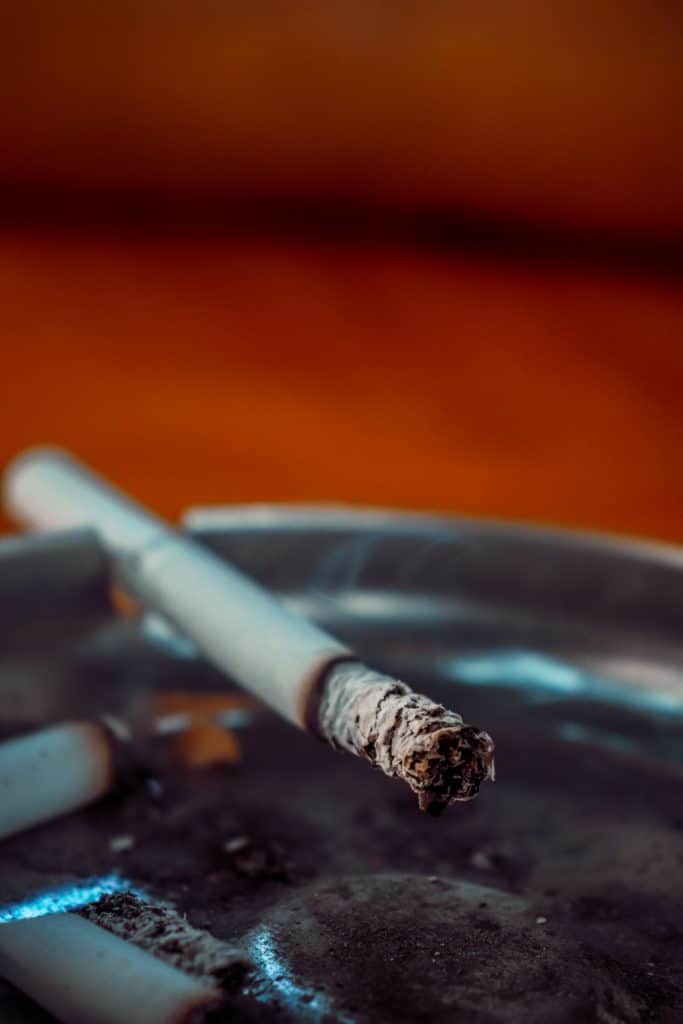
The dangers of smoking and secondhand smoke to humans are extremely well-documented. These same toxins are also dangerous for our pet parrots. Due to their respiratory systems, toxins from the smoke will be absorbed into their body and can result in severe health issues over time, significantly decreasing their quality of life and drastically shortening their lifespan.
Because smoke is airborne, smoking cannot occur anywhere in the home, even in another room. Human homes are not created to be airtight between rooms and smoke will travel throughout the entire home regardless of where the smoking is occurring, exposing the birds.
Non-stick Cookware/Home Appliances
Teflon (PTFE) coated cookware/appliances release extremely dangerous toxins into the air when heated to high temperatures. These toxins can cause fatal respiratory disease in birds. Onset of symptoms can be rapid and occur within minutes of exposure3.
It is absolutely necessary to remove any and all appliances from the home that contain PTFEs including cookware, space heaters, baking sheets, muffin pans, even some cupcake and muffin paper liners which contain non-stick PTFE coatings. Instead use glass, ceramic, stainless steel, or cast iron cookware and call manufacturers to verify any appliance you are purchasing does not contain PTFEs.

Air Freshener Sprays/Plugins
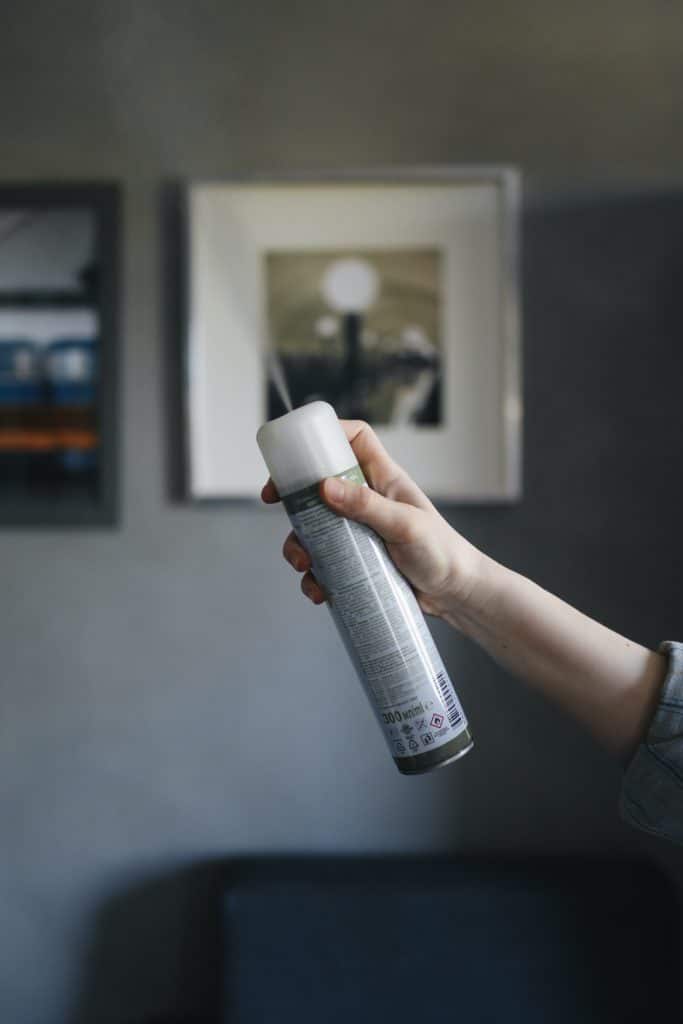
Air freshener cans, sprays and plugins release aerosols and other chemicals into the air and can be dangerous to pet birds due to their specialized respiratory system.
Aerosol cans spray a fine mist into the air by using compressed gas as a propellant. Once the contents of the cans are released, the chemicals are released into the air. If a bird inhales these chemicals, serious injury or death can occur. Some symptoms of inhalation of these dangerous chemicals can be seizures, paralysis and even death.
For these reasons, it is best to avoid any kind of air fresheners. There are ways to freshen up the smell of our homes without posing a danger to our birds.
Ceiling Fans
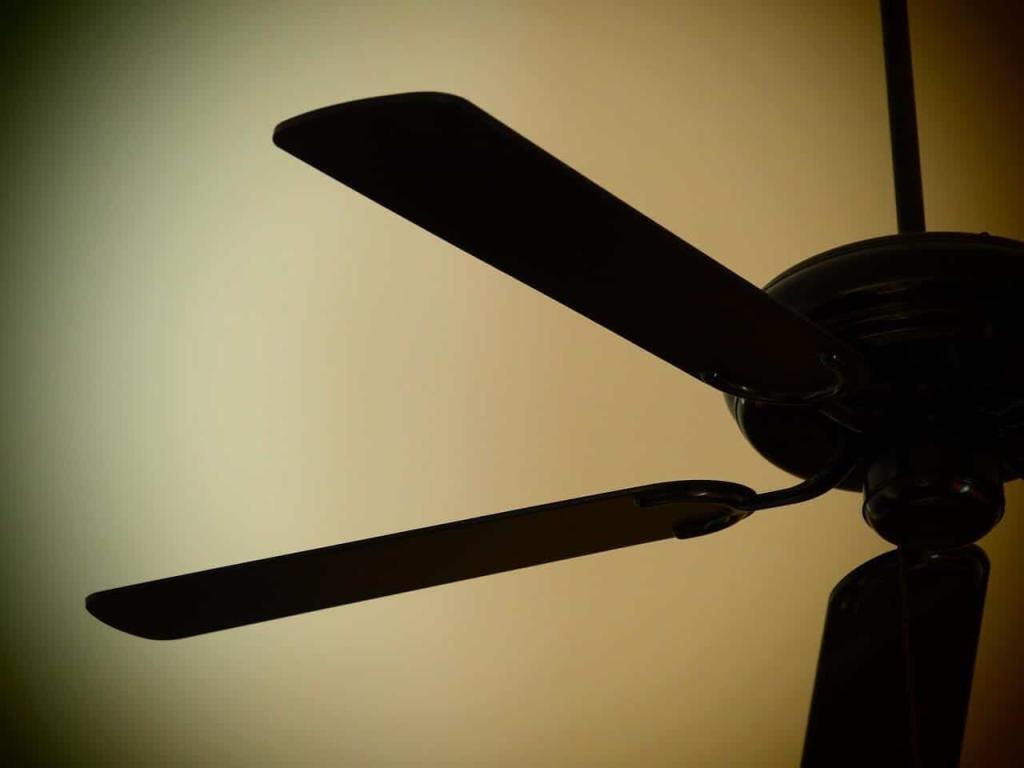
Ceiling fans spin rapidly. If a parrot hits it, they can be seriously injured or killed on impact. Because many parrots are naturally attracted to high places, fans can be very tempting to explore.
Never turn on a ceiling fan with birds loose in the home. Instead, look for safer alternatives to cooling and circulating air in the home. Always explain the dangers of ceiling fans with other members of the household. Many parrot owners will even tape the on/off switch to ceiling fans or use light switch covers to prevent guests from turning them on without knowing of the dangers to the birds.
This has been just a short list of possible dangers to look out for in our homes. For lots more information on household and other dangers to look out for when caring for our budgies, visit our social media accounts!
Literature Cited
- Ohtani, Y., Inase, N., Miyake, S., Yoshizawa, Y. & Saiki, S. Fatal outcome in chronic bird fancier’s lung. Am J Medicine 112, 588–590 (2002).
- (UK), M. C. M., Cornish, K. S., Bajada, S., (UK), C. F. J. M. & FCCP, J. C. F. Rosella Parrot Exposure as a Cause of Bird Fancier’s Lung. Arch Environ Occup H 60, 187–192 (2005).
- Davidson, J. L. R. & J. P. Fatalities in Four Psittacines, as a Result of Normal Operation of the Cleaning Cycle in a Polytetrafluorethylene (PTFE)-Coated Oven. Journal of the Rachel Carson Council, Inc. 2, 109–111.
Written by Isabel Frabotta
Isabel holds a B.S. in Animal Science from Cornell University, where she studied physiology, nutrition, endocrinology and genetics. She is a writer and graphic designer who uses both to improve education around animal welfare and care.
Edited by Dr. Amy Zhao, PhD.